Fiber systems versus ZORKA: a difference you can't hide
The anti-drone laser market today is filled with fiber-based solutions packed into twenty-foot containers and promising a great deal, yet performing against real targets far worse than advertised. That gap has created a persistent stereotype: laser weapons look impressive in demonstrations and disappoint in the field.
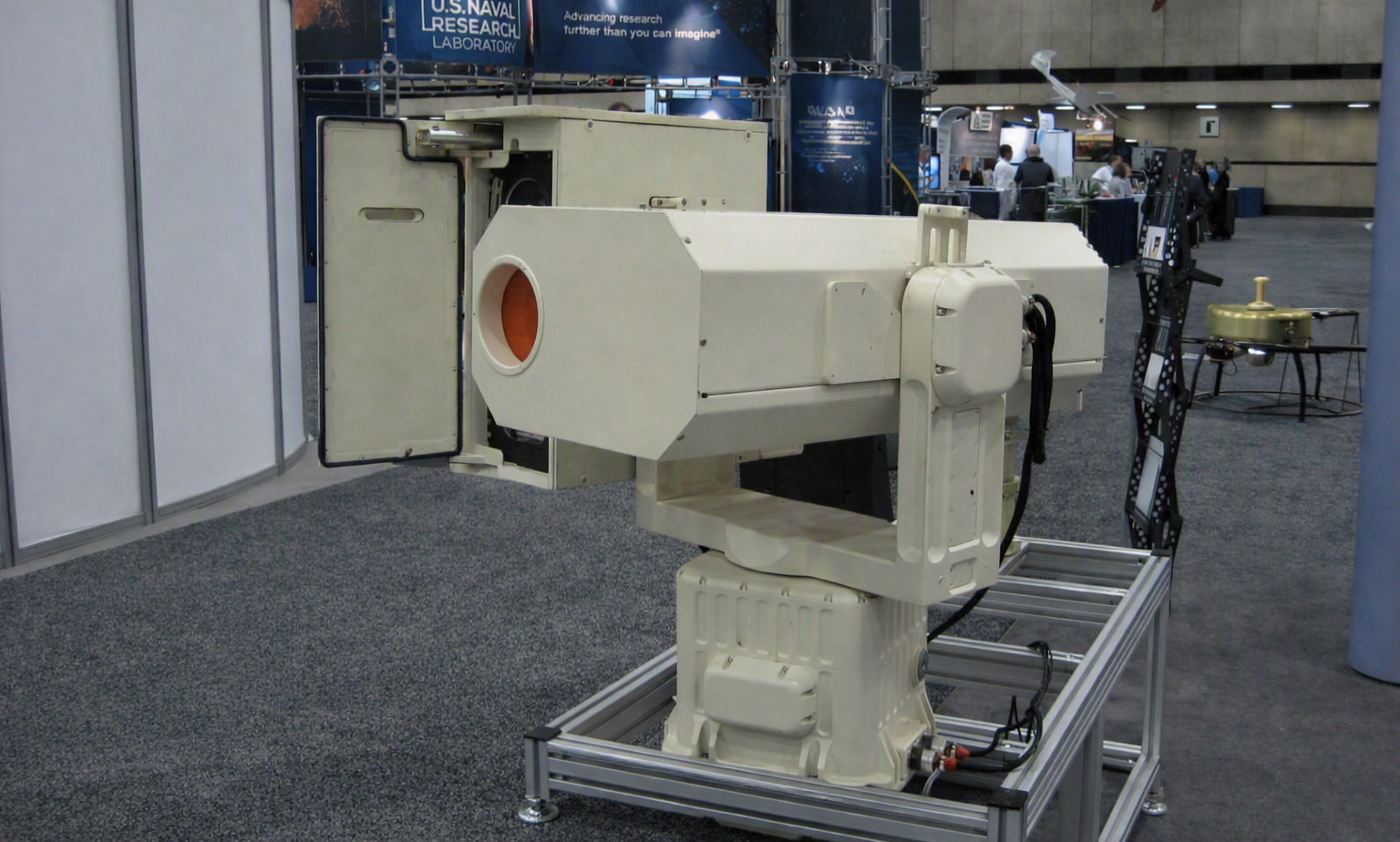
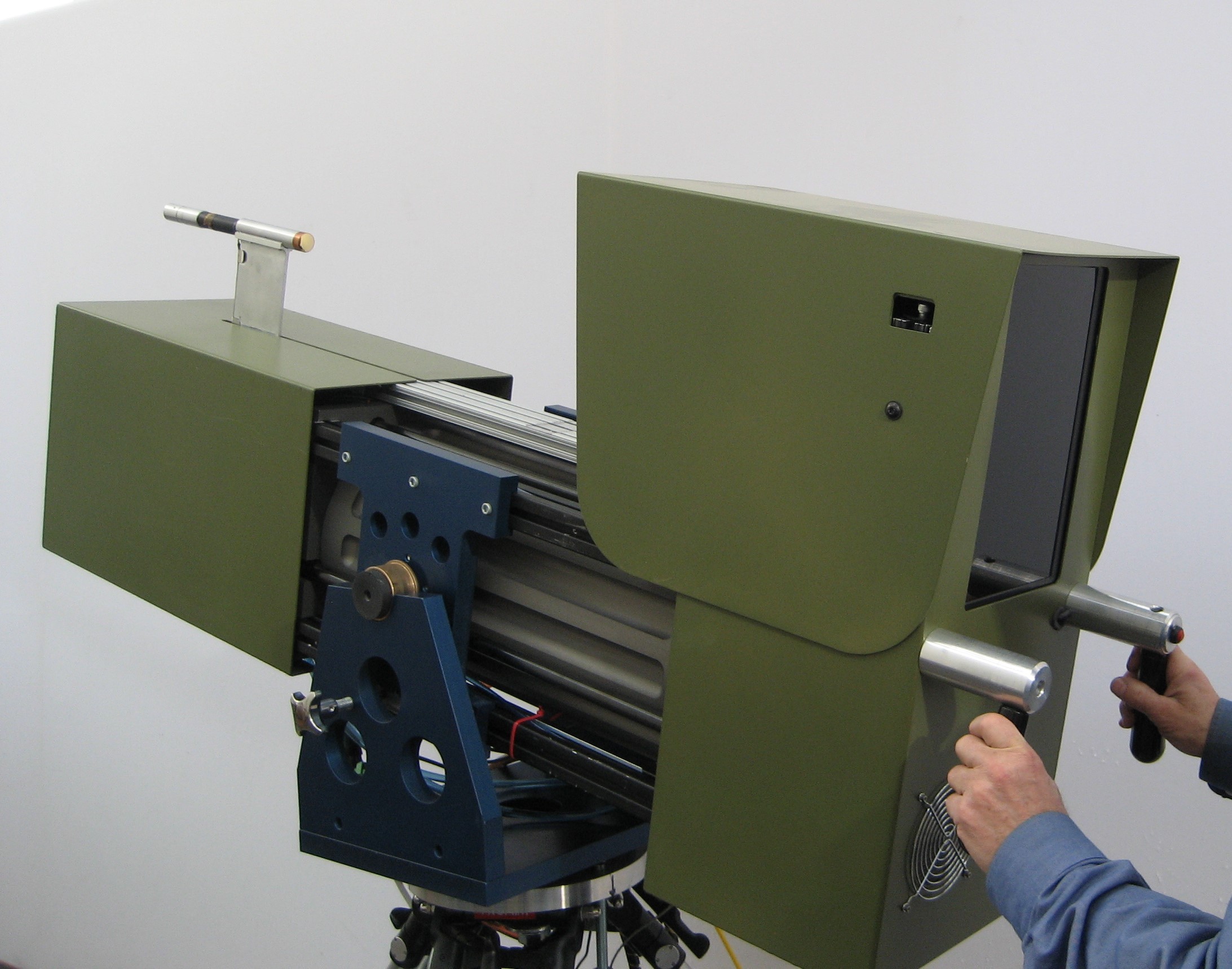
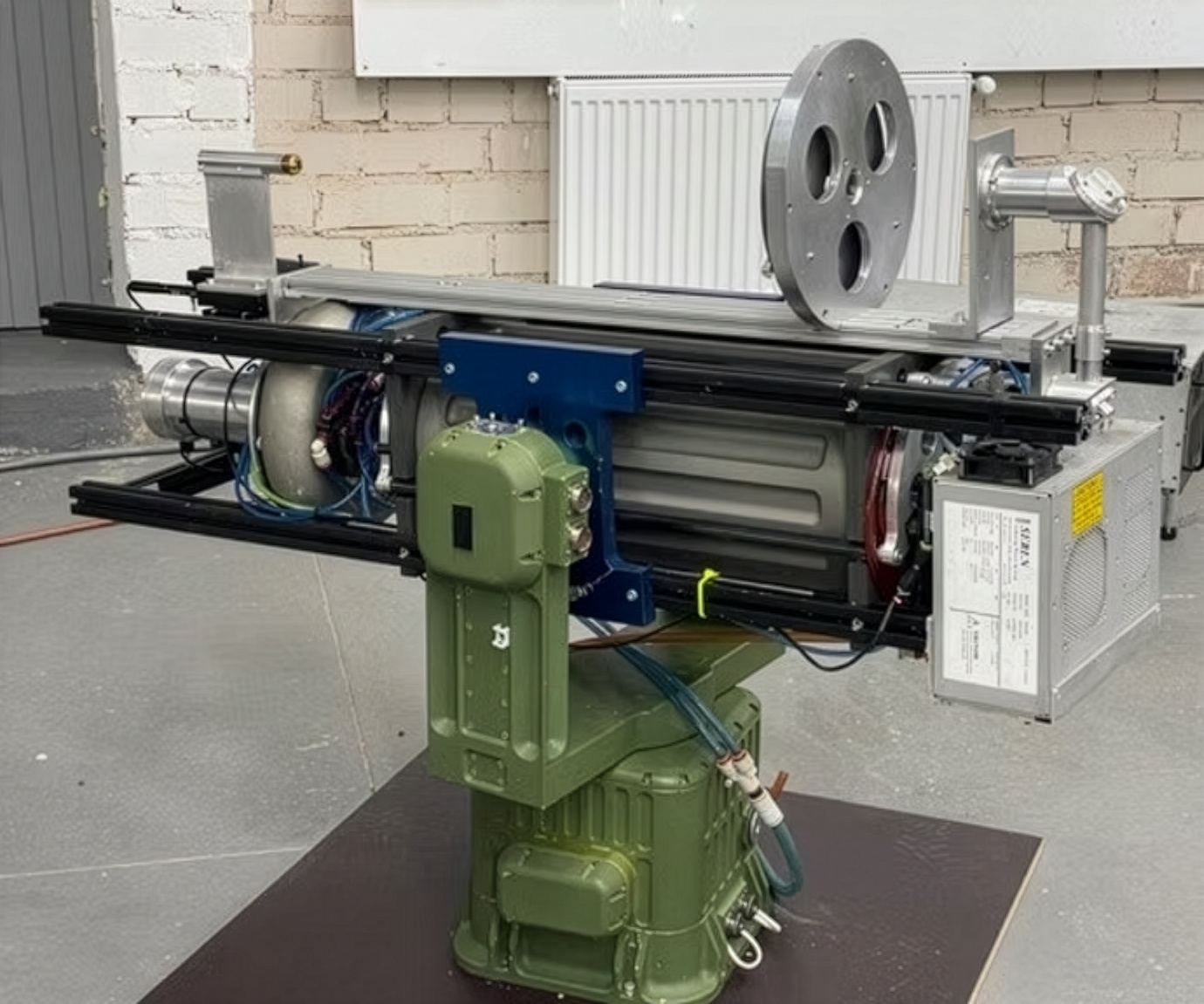
ZORKA-M is not another fiber system in new packaging. It is a fundamentally different laser system built on a new laser source — one that fits where competitors need an entire container, and works where fiber lasers fall short.
- 01 The 10.6µm wavelength is absorbed far more efficiently by UAV airframe materials than the 1.07µm wavelength used by fiber lasers — delivering significantly deeper penetration, especially at extended range.
- 02 The 10.6µm wavelength experiences minimal beam degradation from atmospheric turbulence — unlike fiber lasers, it requires no adaptive optics to compensate.
- 03 An order of magnitude more compact: competing fiber systems require a twenty-foot container to house supporting equipment — our system is several times smaller.
- 04 The 10.6µm spectrum is safer for the eyes than the spectrum used by fiber lasers, allowing the system to be deployed within populated areas to protect civilian and government infrastructure — such as airports, oil refineries, power plants, and other critical facilities.
- 05 Most systems on the market are fiber-based, with mediocre beam quality and low effectiveness against UAVs at extended range. This is what created the stereotype that laser weapons don't work. ZORKA proves otherwise.
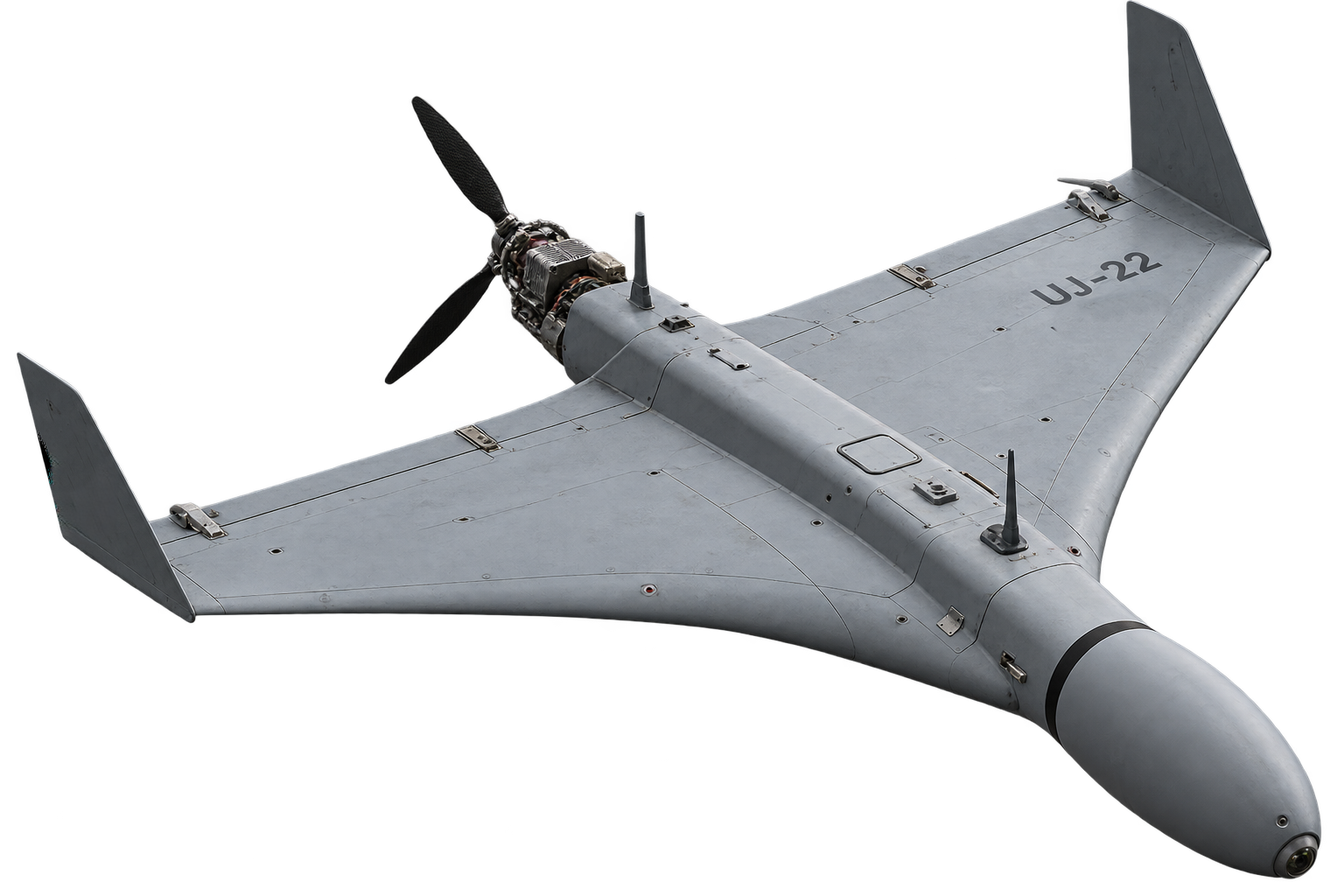
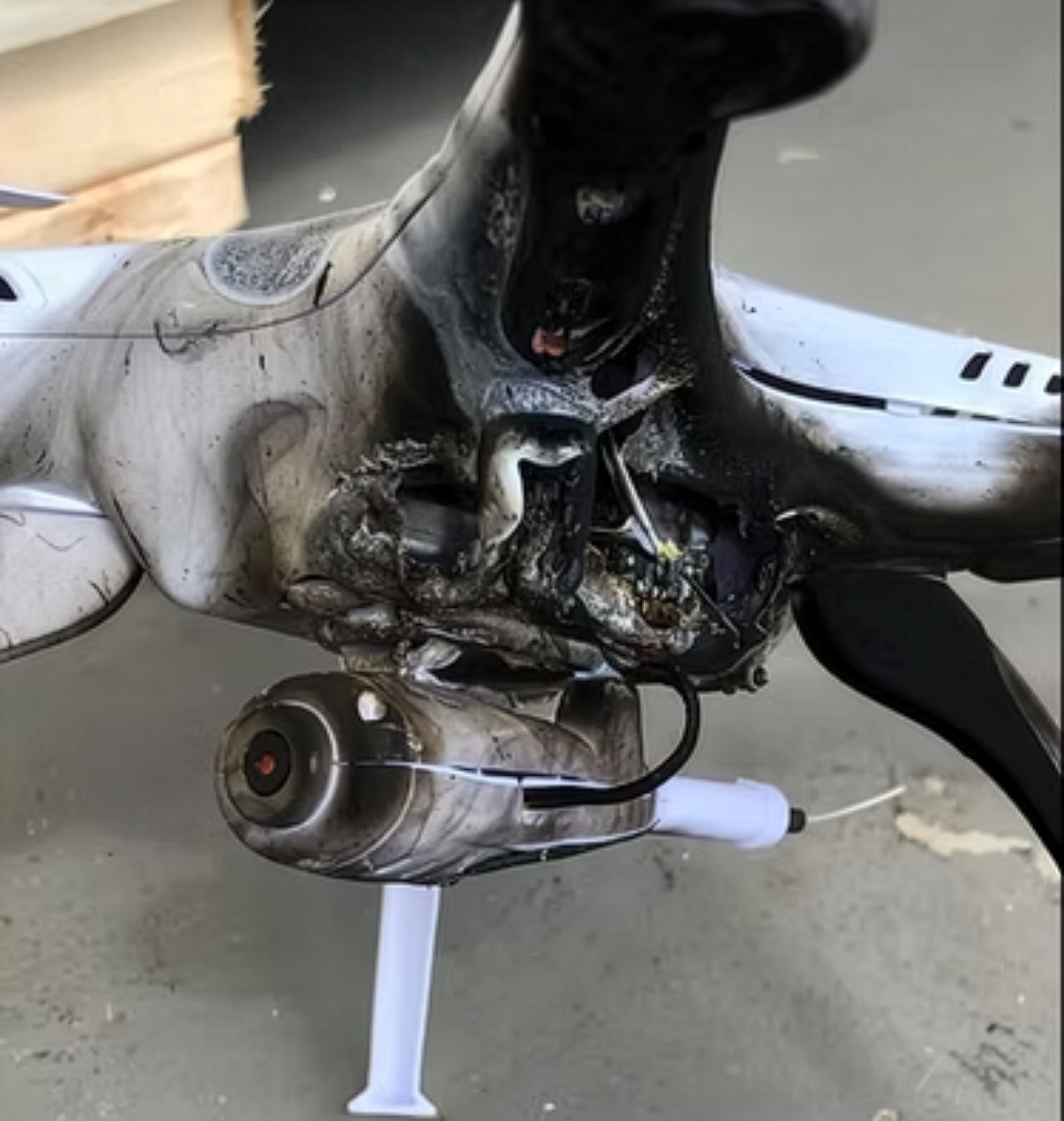
In practice, this means ZORKA-M neutralizes its target at noticeably lower output power than comparable fiber systems require, with the drone down within seconds of beam contact — faster than an operator can react manually.